
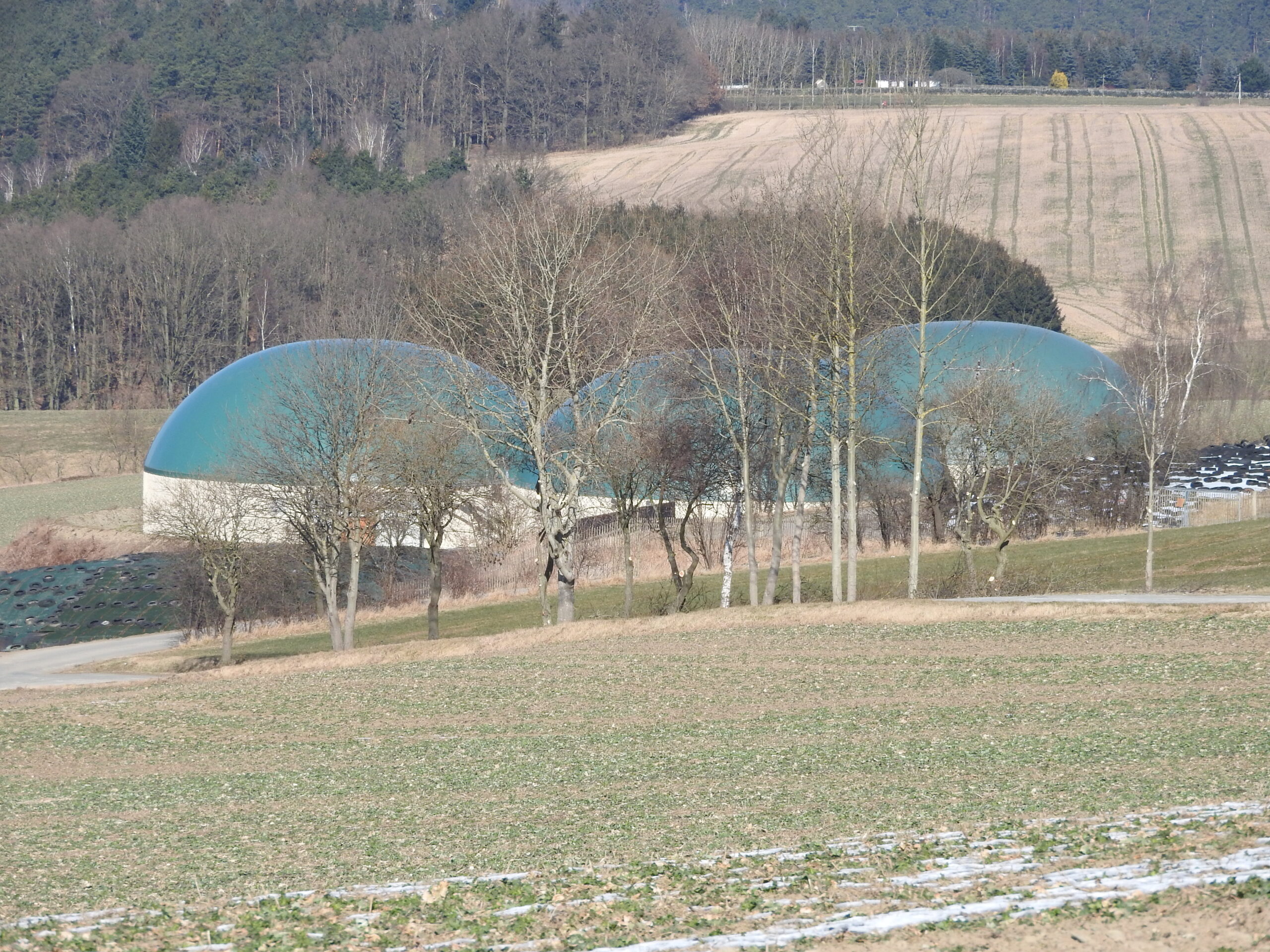
Biogas projects are subject to regulations across six areas: energy, waste management, emissions, agriculture, water and construction. Overlapping procedures and insufficient coordination between the relevant authorities prolong project development. This is one of the key challenges identified in a review of regulatory barriers published by the European Biogas Association in October 2026.
The publication shows that obtaining a permit does not remove all obstacles. Differences in grid connection and certification requirements make it harder for biomethane producers to access the market, particularly smaller operators. European regulatory frameworks also fail to consistently recognise the sector’s full contribution to reducing greenhouse gas emissions, including the replacement of mineral fertilisers with digestate and the capture of biogenic CO₂.
What solutions does the sector propose?
The recommendations include a single point of contact to coordinate all permitting procedures, digitalisation, and streamlined processes for existing plants upgrading to biomethane production or changing their feedstocks.
To improve market access, the publication calls for clearer grid connection rights, fairer sharing of connection costs between producers and network operators, and harmonised Guarantee of Origin registries. It also recommends regulatory recognition of transporting biomethane by road to a grid injection point as an alternative where a direct connection is unavailable.
For digestate, the recommendations focus on clear standards for its recognition as an organic fertiliser and support for investment in further processing.
Why does this matter for Serbia?
For Serbia’s sector, the publication highlights a set of questions that need to be addressed together: who coordinates permitting, who bears the cost of grid connection, how the origin of the gas is verified, and under what conditions digestate can be marketed as a fertiliser.
These are recommendations from an industry association, not newly adopted requirements. Their message is clear: support for production alone is not enough if projects remain stalled in administrative procedures or the gas produced cannot reach customers.
Download “Regulatory Barriers to Biogas Development in Europe”.


